Residential Batteries
Explore the range
Explore 16 kWh floor-standing batteries, expandable 5.12 kWh modules and wall-mounted storage for homes, installation partners and distributors.


Residential LiFePO4 Solar Batteries for Installation Partners
LAINERGY supplies residential LiFePO4 solar batteries for distributors and installers developing home storage offerings. Choose from wall-mounted, stackable and floor-standing formats, then match capacity, output capability and communication to the intended inverter.
The range includes 5.12kWh modules and a 16kWh-class floor-standing battery. We help buyers turn household load requirements, installation constraints and order quantities into a product selection for review.
Compare battery formats
| Model | Energy designation | Nominal voltage | Installation format | Selection focus |
|---|---|---|---|---|
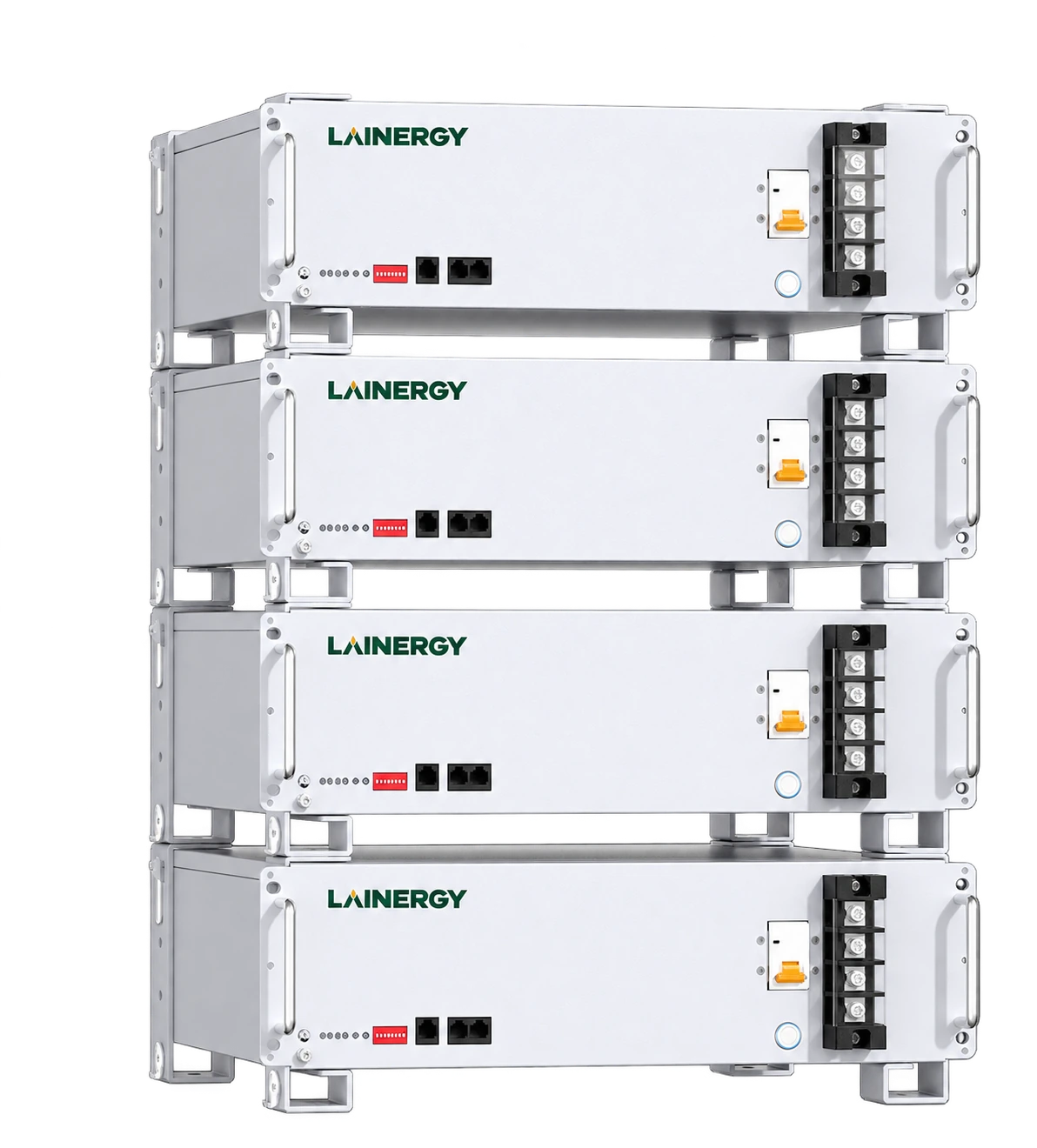
| SH5KFL | 5.12kWh per module | 51.2V | Stackable | Modular configurations of up to 10 modules |
| CB-5-W | 5.12kWh nominal | 51.2V | Indoor wall mount | Wall space, mounting support and inverter matching |
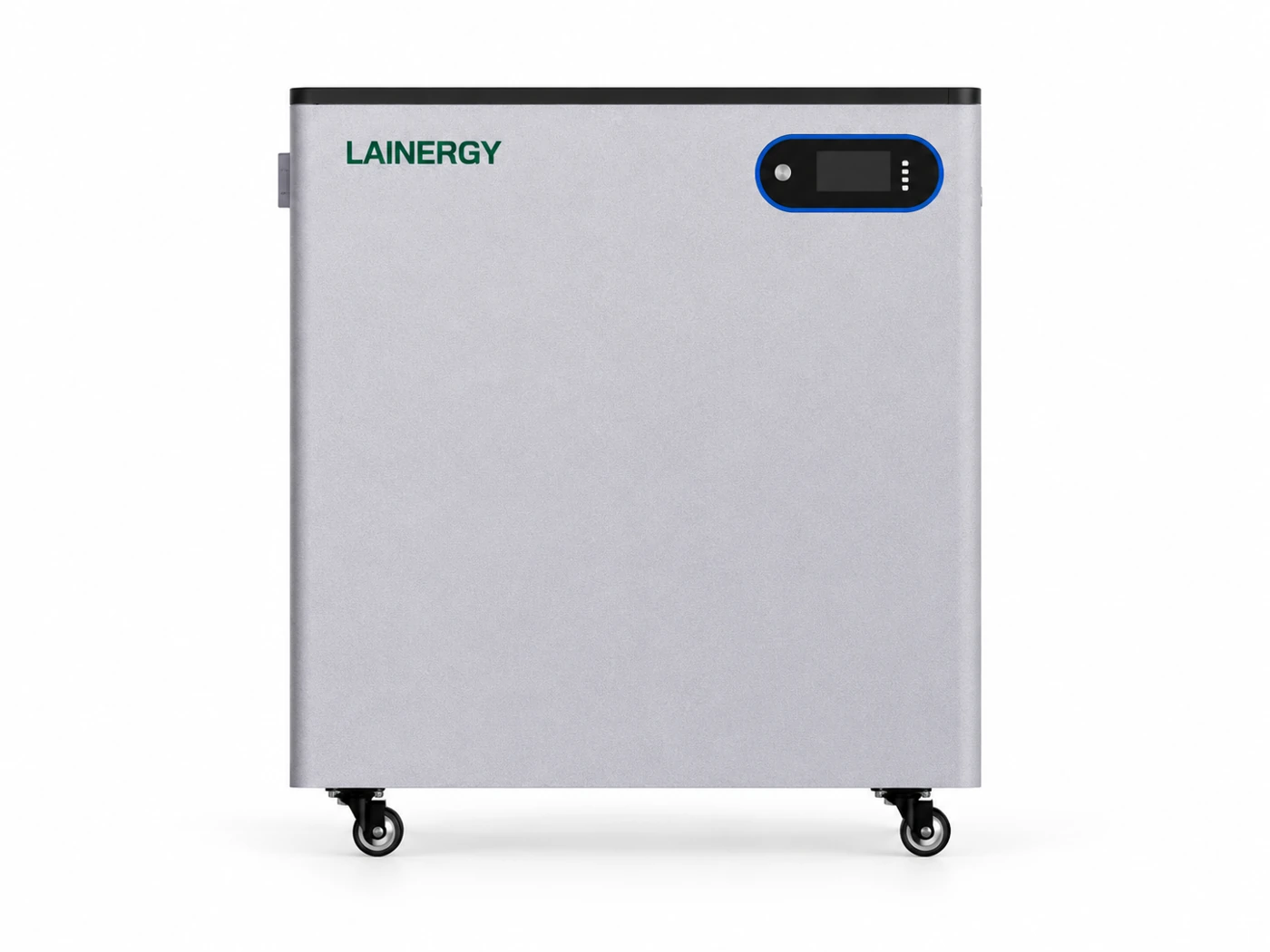
| SH16KFL | 16kWh class | 51.2V | Floor standing with castors | Floor area, access and larger storage requirements |
Explore the SH5KFL stackable battery, CB-5-W wall-mounted battery and SH16KFL floor-standing battery for model specifications. Energy designation and usable energy are different measures; confirm the usable capacity of the quoted configuration.
Size storage around the household load
Begin with the energy needed between charging opportunities. For solar self-consumption, examine how much daytime generation remains after household use and how much energy is needed later. For backup, identify essential circuits and the desired operating duration.
Also check discharge power. A battery with enough energy for several hours may still be unable to supply all household equipment at once. Assess the inverter and battery together, including simultaneous loads and startup demand.
Installers can use this approach to explain why the most suitable configuration is not always the largest available battery. Our residential storage channel support covers coordinated product selection for recurring installations.
Build capacity with stackable modules
Each SH5KFL module has a nominal energy of 5.12kWh. Two modules total 10.24kWh nominal, three total 15.36kWh and ten total 51.2kWh. These figures describe nominal stored energy. Usable AC energy also depends on the operating window and system losses.
The published range supports up to ten modules. Final configurations must follow the installation instructions for electrical connections, communication, protection and physical arrangement. Discuss future expansion when ordering, including compatibility between existing and later modules.
Verify inverter communication before installation
The listed batteries use a 51.2V nominal LFP platform. Compatibility with an inverter described as “48V” depends on the actual voltage window, charging parameters, discharge capability and communication protocol.
CAN or RS485 interfaces identify communication options; they do not establish compatibility with every inverter that has the same port. Review the exact model combination, firmware and cable pinout, then confirm charging and discharge control during commissioning.
Browse our hybrid solar inverters to discuss a coordinated equipment order. Model-specific matching remains necessary even when equipment is sourced together.
Choose an installation format that can be serviced
For wall-mounted batteries, review structural support, lifting access and the space needed for connections and servicing. The CB-5-W is specified for indoor wall mounting; its IP65 enclosure rating does not override that installation instruction.
For stackable and floor-standing products, consider floor loading, handling routes, ventilation and access to individual connections. The SH5KFL and SH16KFL list IP21 protection. Keep charging and discharge temperature limits separate when assessing the installation environment.
Review documentation and supply requirements
Request the datasheet, installation information, communication details and relevant test documents for the chosen model. Warranty terms should identify the product, operating conditions and claim process. Cycle-life figures should state their test conditions and end-of-life threshold.
For channel orders, include expected quantities, destination, branding or packaging requests and service requirements. Any customization or additional certification work should be agreed in the order scope.
Frequently asked questions
Which capacities and formats are available?
The current range includes 5.12kWh stackable and wall-mounted products and a 16kWh-class floor-standing model. Review each model’s output capability, installation requirements and documentation before selection.
What is the difference between nominal and usable capacity?
Nominal capacity describes rated stored energy. Usable capacity depends on the allowed operating window, while delivered AC energy also reflects conversion losses and system consumption.
Are 51.2V batteries compatible with 48V inverters?
They can be compatible with appropriately specified 48V inverter systems, but matching is not automatic. Check voltage limits, charging settings, current capability and communication for the exact pairing.
How many SH5KFL modules can be combined?
The published maximum is ten modules. Confirm the approved configuration and installation arrangement rather than assuming unrestricted physical stacking or electrical expansion.
Which inverter models have been tested with the batteries?
Ask for the current compatibility information for your proposed battery and inverter model. Supply firmware details where available so the technical review can address the actual configuration.
Which CAN or RS485 protocols are supported?
Protocol support needs model-specific confirmation. Port labels alone do not identify the application protocol, cable pinout or supported inverter firmware.
What charging and discharging temperatures apply?
SH5KFL and SH16KFL list charging from 0°C to 55°C and discharging from −20°C to 55°C. CB-5-W charging current varies with temperature; use its own specification for configuration.
How are cycle life and warranty defined?
They are separate specifications. Cycle life depends on test conditions and retained-capacity thresholds; warranty coverage follows the product’s written terms. Compare both when evaluating an order.
Can modules be added after installation?
Expansion depends on the approved module configuration, condition, firmware and installation requirements. Record the original battery details and review the proposed addition before purchasing more modules.
What documents can importers request?
Request model-specific technical information, installation documents and applicable test or transport records. Destination-market requirements should be discussed before confirming the order.
Can branding and packaging be customized?
Send your branding, label, manual and packaging requirements for review. Availability, quantity requirements and any testing implications depend on the proposed product and scope.
What information is needed for a battery quotation?
Provide capacity, inverter model, installation format, quantities and destination. Include backup duration, load requirements and any documentation or channel-support needs.
Plan your residential storage range
Share your preferred formats and target installation requirements. Contact LAINERGY to review batteries, inverter matching and supply options for your business.