Commercial & Industrial Storage
Explore the range
Integrated cabinets and stacked storage systems for factories, commercial properties and energy project developers.
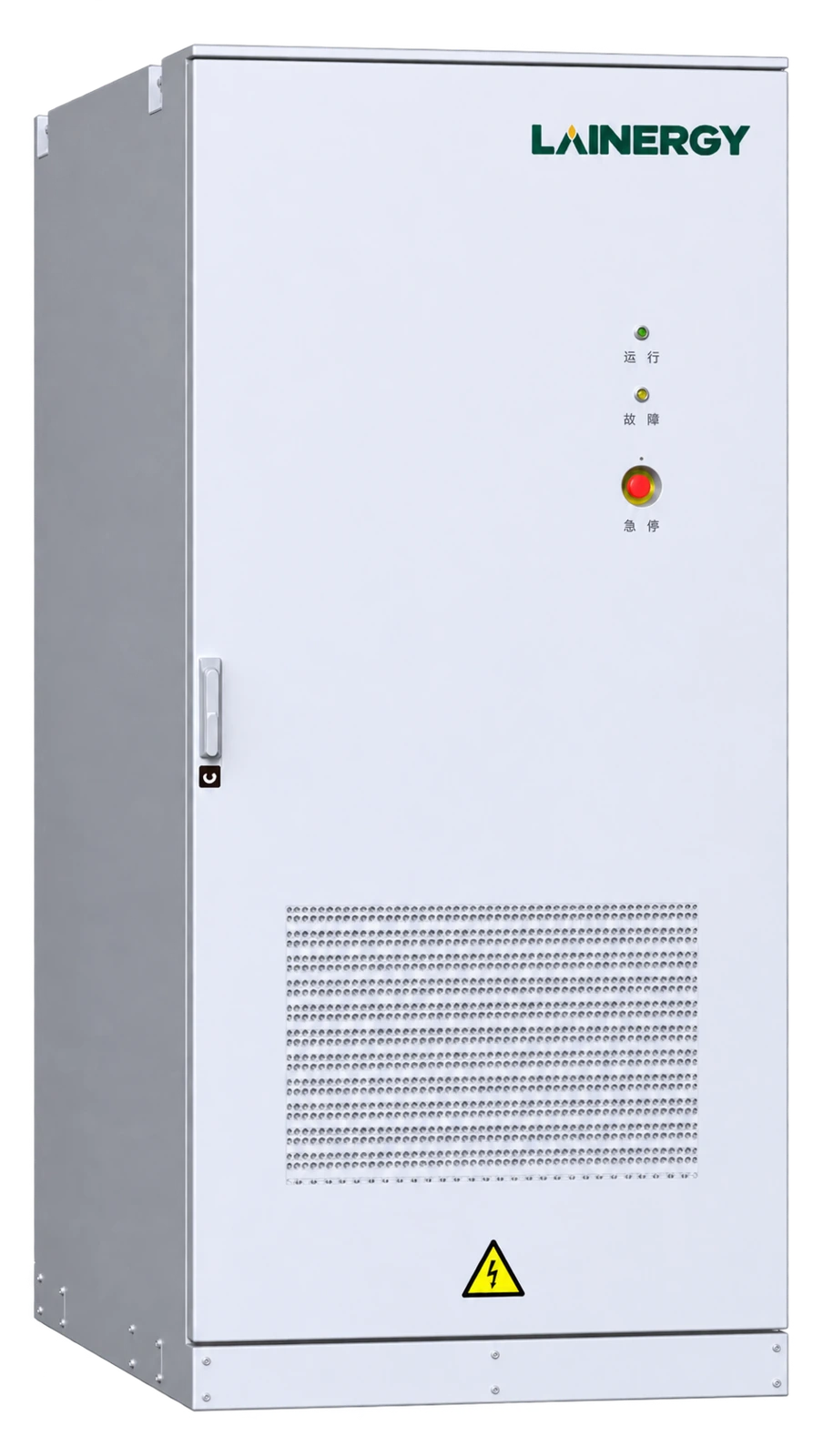


Commercial and Industrial Battery Storage Systems
LAINERGY supplies commercial and industrial battery storage for EPC contractors, system integrators and project owners. Compare liquid-cooled cabinets from 215kWh to 522kWh, with power configurations designed for different load profiles and operating durations.
Start with the site’s electrical connection and operating objective. Solar self-consumption, peak shaving and backup create different requirements for battery energy, power conversion and control. We help coordinate equipment selection around those requirements.
Compare cabinet configurations
| Configuration | Rated power | Energy capacity | Nominal energy divided by power | Cooling |
|---|---|---|---|---|
| 100kW / 215kWh cabinet | 100kW | 215kWh | 2.15 hours | Liquid |
| SU261C131LM | 131kW | 261kWh | About 1.99 hours | Liquid |
| SU522C131LM | 131kW | 522kWh | About 3.98 hours | Liquid |
| SU522C262LM | 262kW | 522kWh | About 1.99 hours | Liquid |
The energy-to-power figures are simple nameplate calculations. They are not guaranteed backup runtimes; usable energy, losses, auxiliary loads, operating limits and the actual discharge profile affect delivery.
Review the 215kWh cabinet, 261kWh system, 522kWh / 131kW system and 522kWh / 262kW system for individual specifications.
Match power and duration to the commercial load
For peak shaving, identify how high the site’s demand peaks rise and how long they last. A short, high peak can require substantial power without requiring the same energy as a long discharge period. Review the electricity tariff and charging opportunities before estimating savings.
For solar self-consumption, compare the PV production profile with the facility’s operating schedule. Storage needs sufficient charging opportunity and later demand to make use of the stored energy.
For backup, separate essential loads from the whole-site load. Confirm how long those loads must operate and how much interruption they can tolerate. Our commercial storage planning guide explains the site inputs to assemble.
Confirm the electrical connection and operating mode
The published SU261 and SU522 specifications list 400V AC and 50Hz. Projects using other voltage or frequency standards require a separate configuration review. Include voltage, frequency, controls and connection requirements in that review.
The SU series lists grid-connected and off-grid operating modes. A complete backup design still needs confirmation of the transfer arrangement, load recovery sequence, controls and site protection. The optional transfer assembly listed for the SU522 models has a transfer time below 450ms; it should not be treated as an uninterrupted supply for every sensitive load.
Review cooling and installation conditions
Liquid cooling is part of the listed cabinet configurations. Include auxiliary consumption and maintenance requirements when comparing complete systems, rather than comparing only a PCS peak-efficiency figure.
The SU series lists IP55 system protection and IP66 PCS protection. These ratings apply to different parts of the equipment. Review drainage, condensation, service access and local environmental exposure as part of the site layout.
The published operating range for the SU models extends from −30°C to 55°C, with derating above 45°C. Their maximum altitude is 3,000m, with derating above 2,000m. Technical review should consider the performance required under the site’s actual conditions.
Define the complete supply scope
A comparable quotation identifies what is included with the battery cabinet and what must be provided elsewhere. Clarify PCS, BMS, controls, monitoring, fire protection, switching equipment, transformer requirements, installation and commissioning responsibilities.
Provide site drawings and access information early. Heavy cabinets require suitable foundations and planned delivery, unloading and positioning. Include inspection, acceptance testing, service arrangements and required documentation in the procurement scope.
For coordinated PV and storage requirements, explore commercial solar and storage support.
Frequently asked questions
Which power and energy configurations are available?
The listed cabinets include 100kW/215kWh, 131kW/261kWh, 131kW/522kWh and 262kW/522kWh. A stacked integrated format is also listed; request configuration details for that option.
How do I choose between 215, 261 and 522kWh systems?
Use the load profile, operating objective and available charging window. Compare power as well as energy; a larger energy figure alone does not establish the right configuration.
What is the difference between the two 522kWh options?
They have the same listed energy capacity but different rated power: 131kW or 262kW. This changes nominal discharge duration and the magnitude of load the system can support.
Which site voltage and frequency are supported?
The published SU-series specifications list 400V AC and 50Hz. Provide the site’s actual electrical standard for review, particularly for projects requiring a different voltage or frequency.
What load data is needed for sizing?
Provide interval electricity demand, billing information, operating schedules, PV generation where available and the critical-load list. Explain whether savings, resilience or both drive the project.
Can a system support both peak shaving and backup?
A configuration may be planned for both, subject to its controls and electrical design. Energy reserved for backup reduces the energy available for other services, so the operating priorities must be agreed.
What transfer time applies?
It depends on the selected system and transfer assembly. The SU522 pages list an optional assembly below 450ms. Confirm the complete configuration against the interruption tolerance of connected equipment.
Which components are included in the quotation?
The agreed scope should list cabinet equipment, controls, monitoring, protection, external electrical works and services separately. Use this scope to compare proposals consistently.
How are cooling and fire protection configured?
The listed cabinets use liquid cooling. Fire protection must be reviewed for the specific model and site; the SU pages describe aerosol and water protection with an optional pack-level provision.
What site preparation is required?
Review foundations, access, unloading, drainage, service clearance, electrical protection and the connection point. The final layout must meet the equipment instructions and applicable site requirements.
Which certificates and test reports apply?
Request documents matching the system model and configuration. Additional project or destination requirements can be reviewed for testing and certification planning before order confirmation.
How are commissioning and service arranged?
Define factory and site acceptance tests, commissioning responsibilities, technical support, warranty terms and spare parts in the project scope. Include the local installation partner in this discussion.
Send your project brief
Share the destination, voltage and frequency, load data, PV capacity, operating objective and expected delivery schedule. Contact LAINERGY for a configuration and supply discussion.