A bifacial solar module can generate electricity from light reaching both its front and rear sides. The additional output depends on rear irradiance and the installed arrangement. A module’s bifaciality rating is not a guaranteed percentage increase in annual energy.
For EPCs and module buyers, the useful question is how much rear light reaches the cells in the proposed layout, and whether the extra energy justifies the installed cost.
Separate three commonly confused terms
Front-side rated power describes the module under its specified front-side test conditions. Bifaciality describes the relative response of the rear and front sides under defined measurement conditions. Bifacial gain describes the additional output or energy achieved in a particular comparison.
Always ask what the gain is being compared against and over what period. An instantaneous power increase, a simulated annual-energy difference and a laboratory rating are not interchangeable.
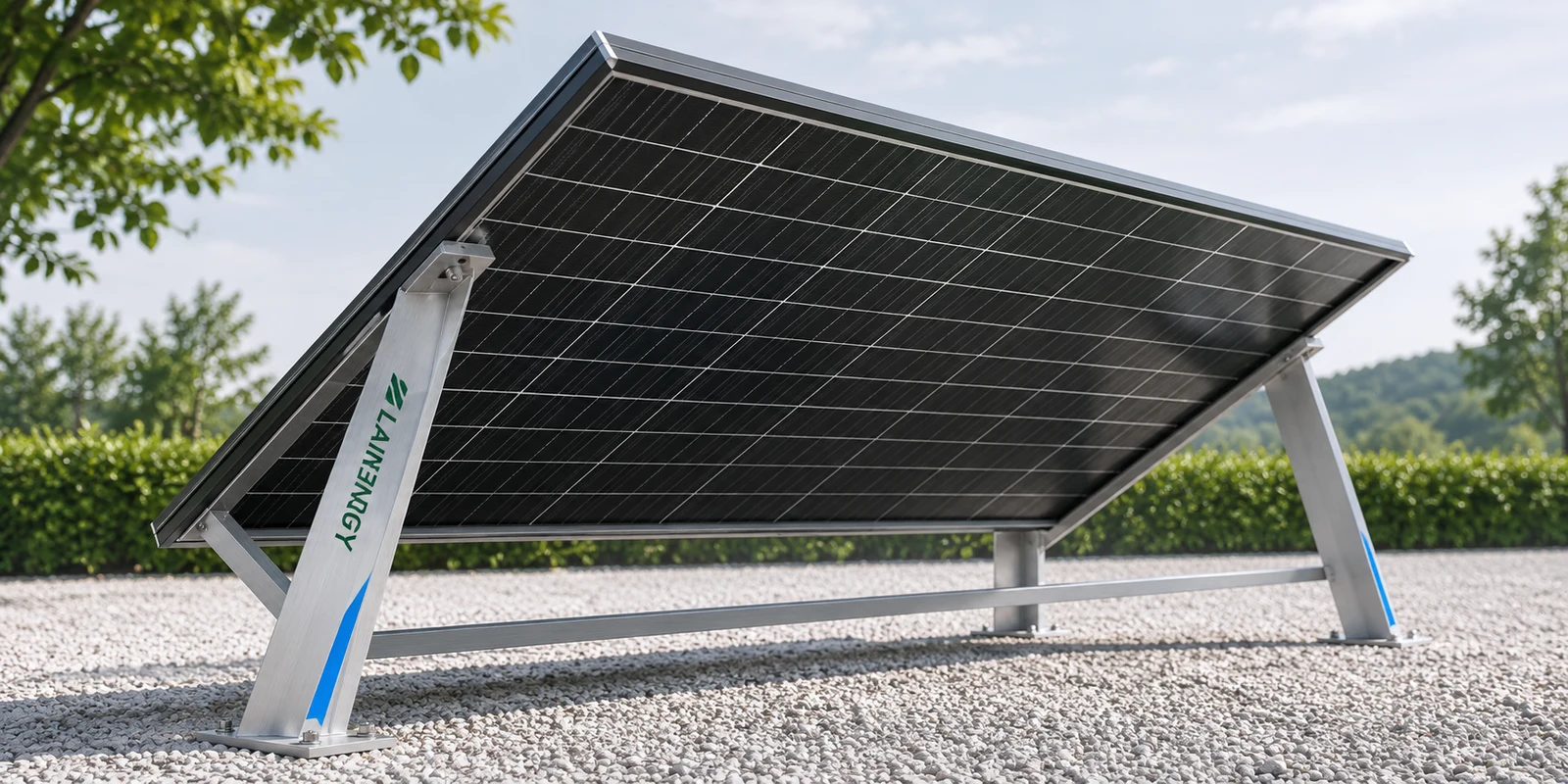
The site controls the rear-light opportunity
Sandia’s PV Performance Modeling Collaborative explains that rear irradiance varies with array design, nearby objects and surface reflectance. Racking and other obstructions can therefore matter even when the front of a module looks unobstructed.
| Site input | What to collect before estimating gain |
|---|---|
| Surface reflectance | Roof or ground material and expected seasonal condition |
| Clearance | Distance and geometry between module and surface |
| Row arrangement | Tilt, spacing and neighboring-row obstruction |
| Rear obstructions | Rails, supports, cable trays and other objects |
| Nearby structures | Parapets, equipment and surrounding shading |
| Maintenance | Changes from dirt, vegetation or surface weathering |
These inputs belong in a yield model. Avoid assigning a fixed gain simply because the roof is light-colored or the module is dual-glass.
Compare three installation situations
An elevated array above a reflective surface may present a useful rear-light opportunity. A closely mounted array above a dark roof can offer much less. A layout with heavy rear obstruction may lose part of the potential benefit even when the surrounding surface is reflective.
These are qualitative screening observations, not fixed gain percentages. The next step is to model the actual geometry and examine whether practical layout changes improve the result.
The SAM module-model documentation describes inputs and methods for bifacial modeling. Use a tool appropriate to the design, with the module’s actual bifacial parameters and recorded site assumptions.
A simple example of why the baseline matters
Suppose a project model estimates 100 MWh per year from a front-only baseline and 106 MWh with the modeled rear contribution. The modeled gain is 6%, calculated as (106 − 100) ÷ 100.
That hypothetical 6% is an annual project result under stated assumptions. It is not a replacement for the module’s bifaciality rating, and it does not mean every installation using the same panel will gain 6%.
Ask for a sensitivity comparison using plausible surface and shading conditions. A project whose economics depend on one optimistic rear-light assumption deserves closer review.
Check electrical and mechanical implications
The electrical design must account for the module’s applicable bifacial current behavior and the inverter’s input limits. Obtain the current installation instructions and electrical data rather than using only the front-side wattage.
Mechanical review should use the specified mounting zones, supported loads, dimensions and weight. Dual-glass construction and bifacial operation describe different aspects of the product; neither removes the need to check the mounting arrangement.
Request the right information for a module quotation
For the LAINERGY 720–745W HJT module, request the offered model’s current datasheet and bifacial parameters. Provide roof or ground photos, surface description, proposed clearance, tilt, row spacing and inverter details.
Use the solar module category to review the range, then send the site brief to LAINERGY. Ask for a module selection that can be evaluated against the actual layout, with rear-gain assumptions kept visible in the project calculation.